Filed under Garage Door FL · Eagle Garage Doors Florida
In Florida, hurricane prep usually starts with windows and supplies, but the garage door deserves a spot at the top of the list. It is the largest moving opening in most homes, and when it fails in high winds the damage can spread fast. A little checking in the spring can make a real difference when a storm is on the way.
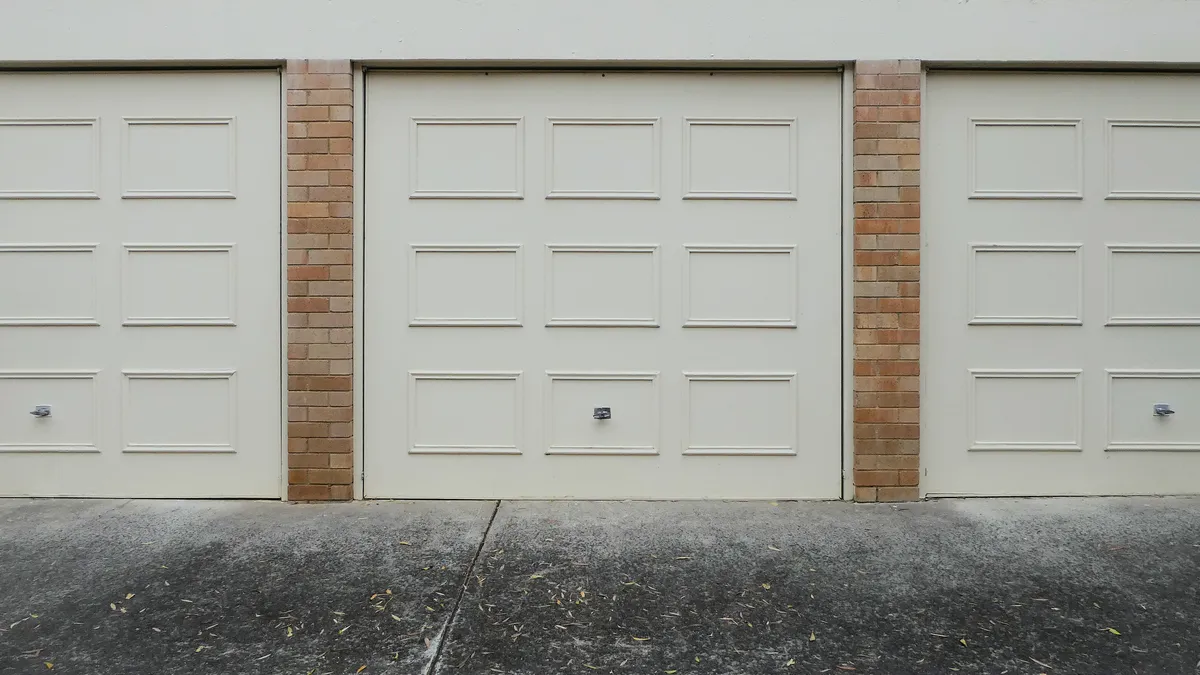
In most Florida homes the garage door is the largest opening in the building envelope, and that makes it vulnerable in high winds. If wind gets inside the garage, pressure can build quickly and push upward on the roof and outward on the walls. That is why a failed door can lead to much bigger structural damage during a hurricane. Older, unreinforced doors are at the highest risk, especially wide two-car doors. Check the label inside the door for its wind-load rating, and look for missing horizontal braces. If there is no rating sticker, treat the door as unrated and plan an inspection before storm season.
Florida building code sets wind-load requirements by region, with the toughest standards in South Florida and its High-Velocity Hurricane Zone covering Miami-Dade and Broward counties. Elsewhere, required ratings still rise the closer you get to the coast. A rated door will show its design pressure, often listed as positive and negative PSF, on a permanent label. That number should meet or exceed what your county requires for your home exposure and height. Impact-rated doors add protection against flying debris, which matters in neighborhoods with tile roofs and trees. If you are replacing a door, ask for the product approval paperwork and keep it with your hurricane documents for insurance and resale.
A removable bracing system or factory-installed horizontal struts can add real strength, but only when they are matched to your specific door model. Never screw random lumber across the panels, because that can split sections and void the rating. Before a storm, clear loose items from the garage, test the door balance, inspect the weather seal for gaps where wind-driven rain can enter, and know how to use the red emergency release cord. Park cars tight to the door only if your installer advises it for your setup. After the storm, do not force a door that looks bowed or off its tracks. Call for an inspection first, even if the opener still runs.
Our Florida crews fix most problems the same day — and every visit starts with a full-system inspection and written quote.
Prepare your Florida garage door for hurricane season with wind ratings, bracing tips, and a pre-storm checkli…
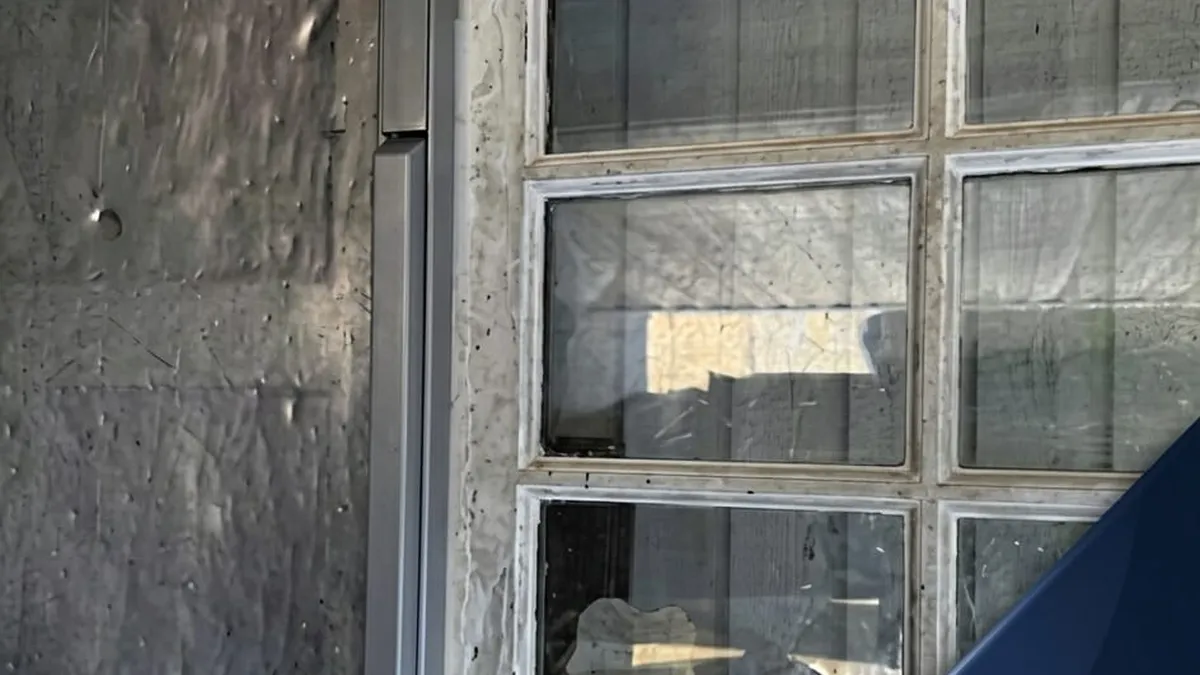
Salt air corrodes Florida garage doors fast. Learn how to protect hinges, springs, and panels on coastal homes…
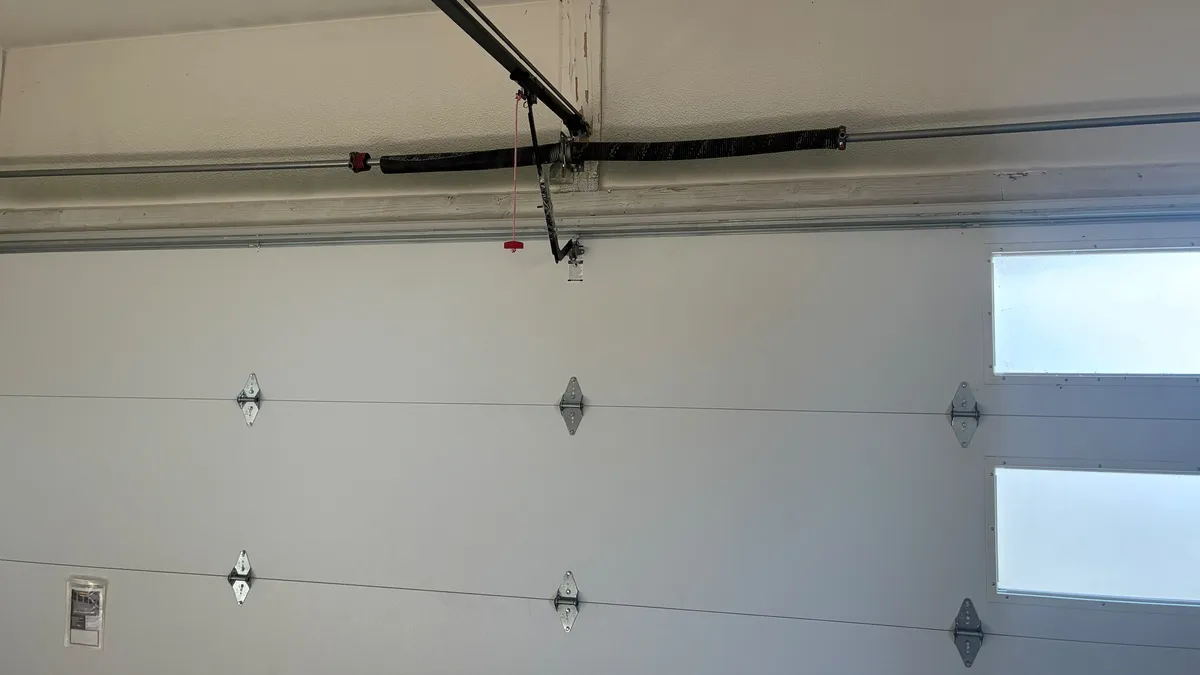
Florida heat and humidity shorten garage door spring life. Spot warning signs early and learn why spring repla…
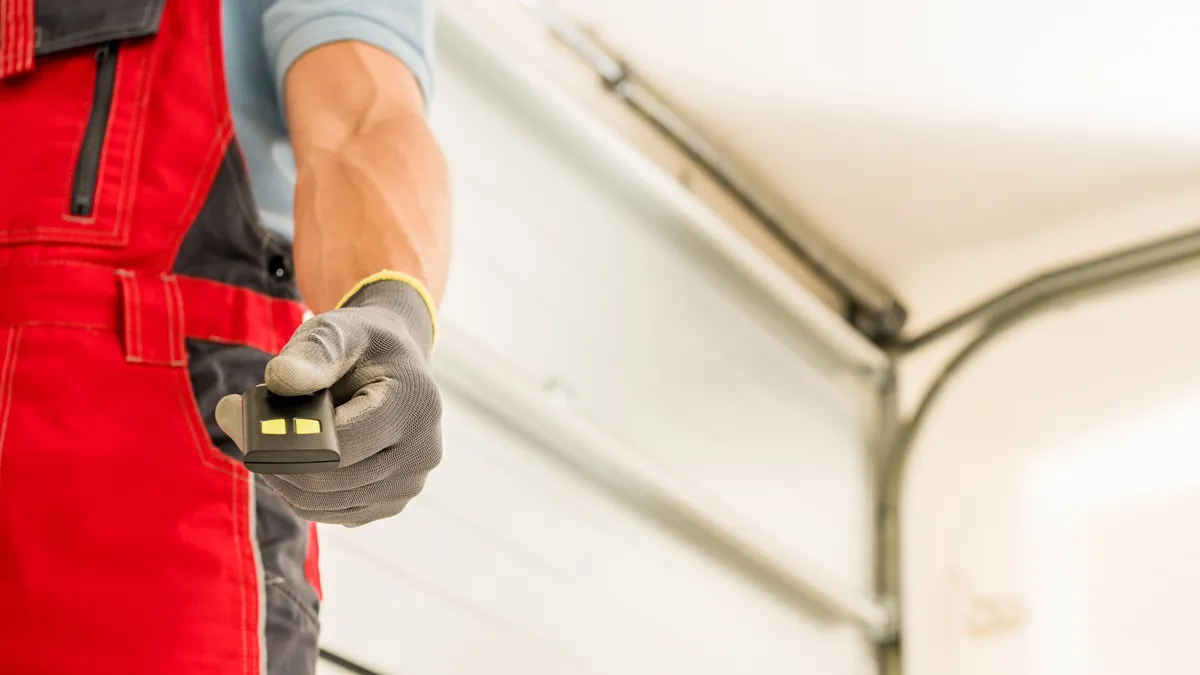
Power out during a Florida storm? Battery backup and smart openers keep your garage door working when you need…
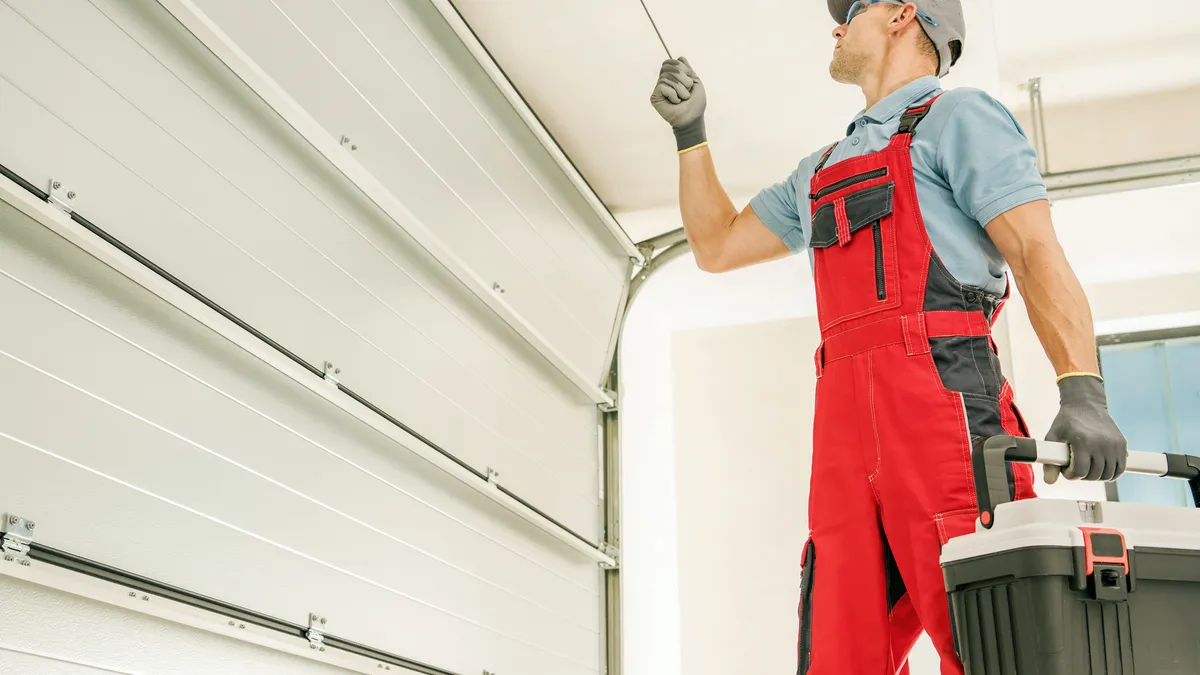
Squeaking, grinding, or rattling? Diagnose a noisy garage door in Florida and learn which fixes are safe DIY a…
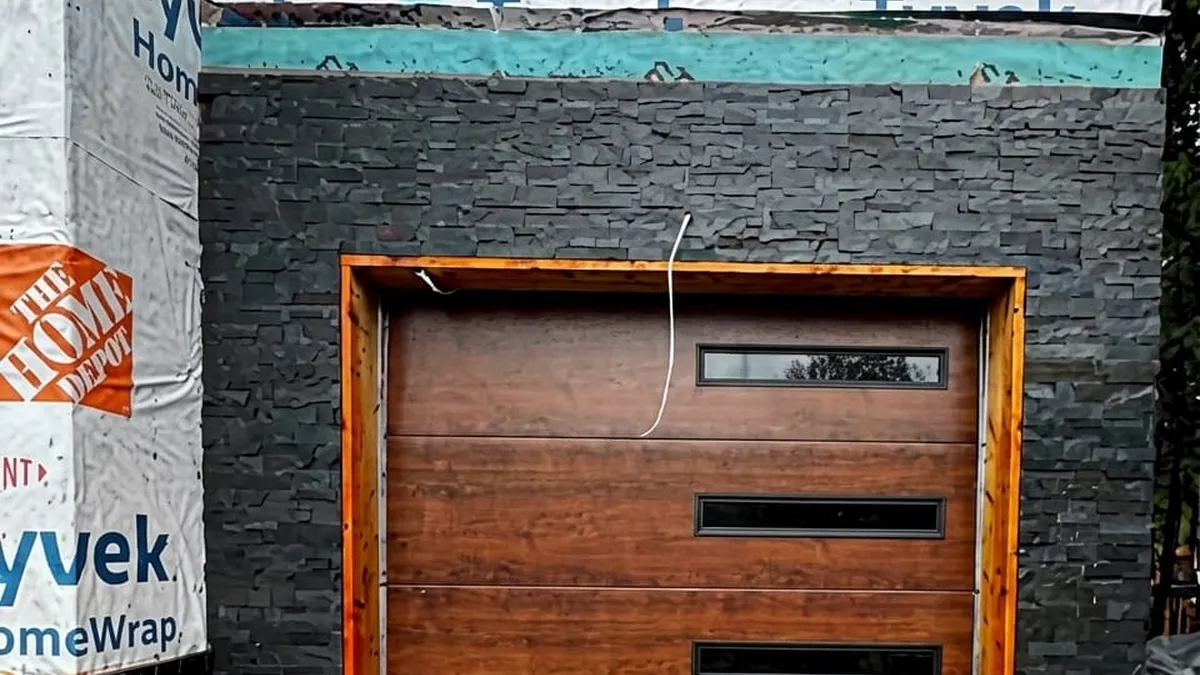
Insulated garage doors can cool a hot Florida garage. Understand R-value, west-facing heat, and what makes the…
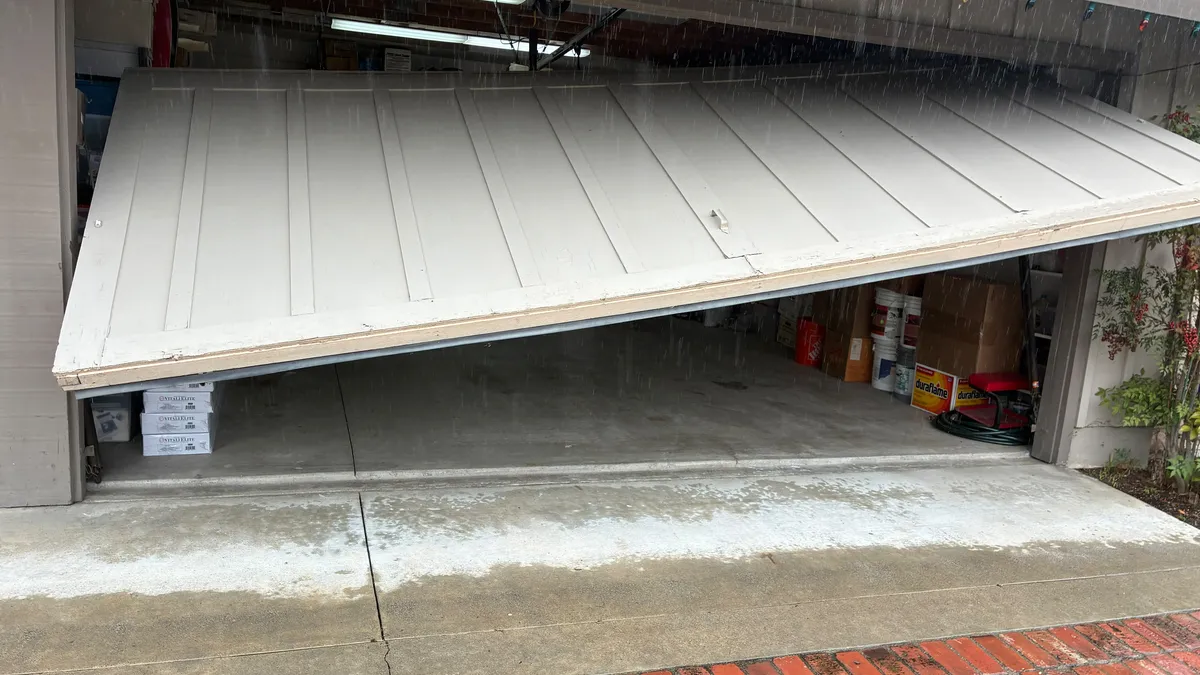
Garage door off track? Stop using it. Learn common Florida causes, safe next steps, and why forcing it makes d…
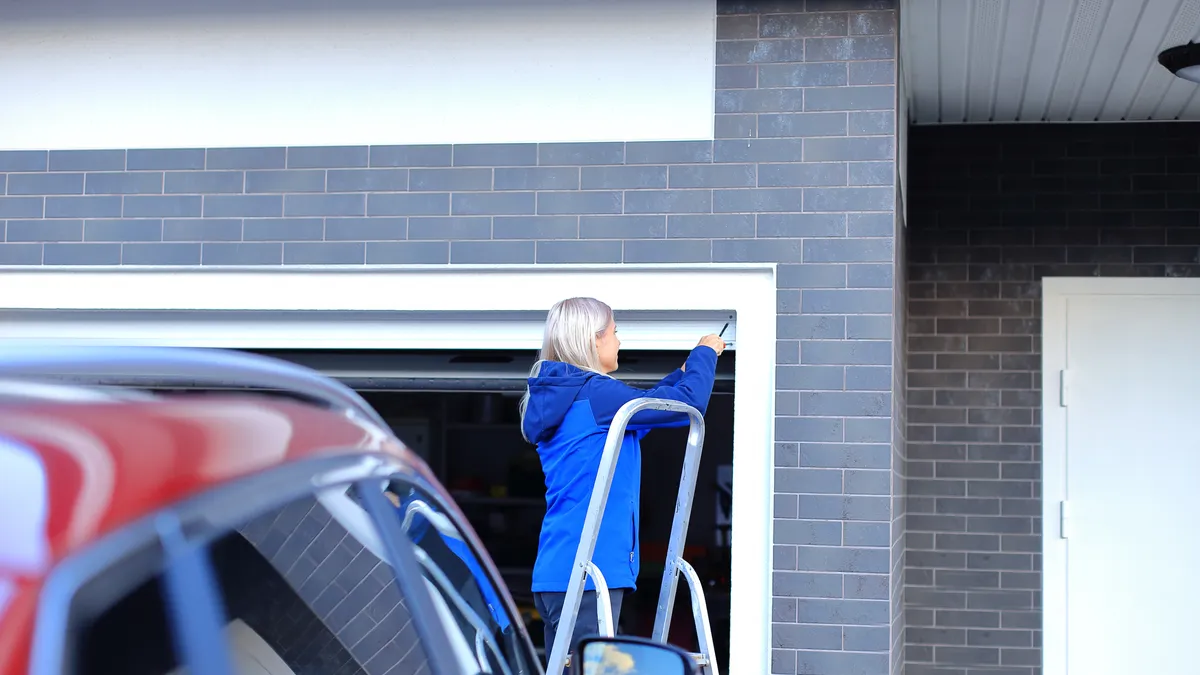
A Florida garage door maintenance calendar with pre-hurricane checks, post-storm inspections, and annual tune-…